Classifying Pain
Pain can be classified into different types based on its cause, location, and symptoms. Common types include headache, rheumatic pain, period pain, toothache, colds & flu, neuralgia, backache, and muscle pain. Each type of pain has distinct characteristics and may affect daily life in different ways.
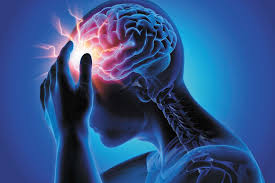
Headache
A headache, also known as cephalalgia, is the symptom of pain in the face, head, or neck. It can occur as a migraine, tension-type headache, or cluster headache. Headaches are broadly classified as "primary" or "secondary". Primary headaches are benign, recurrent headaches not caused by underlying disease or structural problems. For example, migraine Secondary headaches are caused by an underlying disease, like an infection, head injury, vascular disorders, brain bleed, stomach irritation, or brain tumour. Secondary headaches can be dangerous.

Rheumatic Pain
Rheumatoid arthritis (RA) is a chronic disease that causes inflammation around the body and commonly presents with pain in the joints. Common symptoms include chronic pain, stiffness, tenderness, heat and swelling in the joints. RA can make it hard to move and perform daily activities. The causes of rheumatoid arthritis are unknown. Risk factors include smoking, obesity and exposure to air pollution. Women and older people have a higher risk of developing RA.
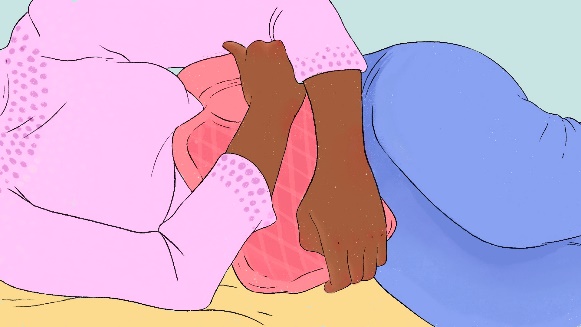
Period Pain
Menstruation, or period, is normal vaginal bleeding that happens as part of a woman's monthly cycle. Many women have painful periods, also called dysmenorrhea. The pain is most often menstrual cramps, which are a throbbing, cramping pain in the lower abdomen. Other symptoms, such as lower back pain, nausea, diarrhoea, and headaches may also be seen.
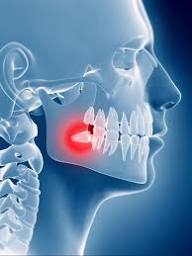
Toothache
Toothaches, also known as dental pain or tooth pain, is pain in the teeth or their supporting structures, caused by dental diseases or pain referred to the teeth by non-dental diseases. When severe it may impact sleep, eating, and other daily activities. A toothache or tooth pain is caused when the nerve in the root of a tooth or surrounding a tooth is irritated. Dental (tooth) infection, decay, injury, or loss of a tooth are the most common causes of dental pain.

Colds & Flu
A cold is a milder respiratory illness than the flu. While cold symptoms can make you feel bad for a few days, flu symptoms can make you feel quite ill for a few days to weeks. The flu can also result in serious health problems such as pneumonia and hospitalizations.
Cold symptoms usually begin with a sore throat, which usually goes away after a day or two. Nasal symptoms, runny nose, and congestion follow, along with a cough by the fourth and fifth days. Fever is uncommon in adults, but a slight fever is possible. Children are more likely to have a fever with a cold.
Flu symptoms are usually more severe than cold symptoms and come on quickly. Symptoms of flu include sore throat, fever, headache, muscle aches and soreness, congestion, and cough.
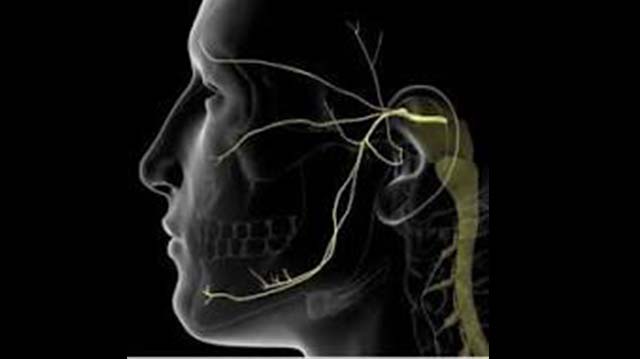
Neuralgia
Neuralgia is a sharp, shocking pain that follows the path of a nerve and occurs due to irritation or damage to the nerve.
Common Types
- Postherpetic neuralgia (after shingles)
- Trigeminal neuralgia (facial electric-shock pain)
- Alcoholic neuropathy
- Peripheral neuropathy
Symptoms
- High sensitivity to touch or pressure
- Sharp, stabbing or burning nerve pain
- Intermittent or constant pain episodes
- Muscle weakness or paralysis in affected area
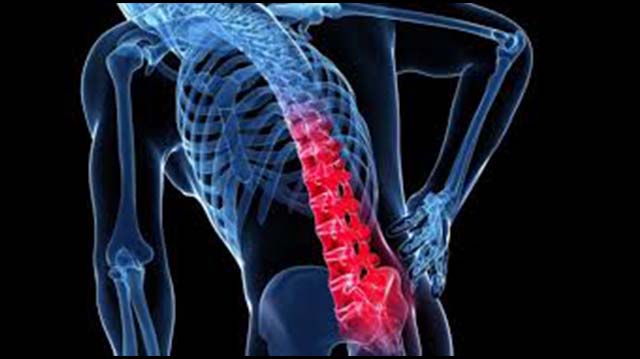
Backache
Back pain is one of the most common medical problems, affecting 8 out of 10 people at some point during their lives. Back pain can range from a dull, constant ache to a sudden, sharp pain. Acute back pain comes on suddenly and usually lasts from a few days to a few weeks. Back pain is called chronic if it lasts for more than three months.
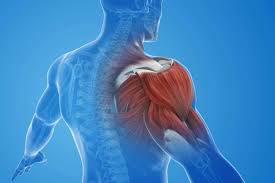
Muscle Pain
Myalgia or muscle pain is a painful sensation evolving from muscle tissue. The most common causes of myalgia are overuse, injury, and strain. Myalgia might also be caused by allergies, diseases, medications, or as a response to a vaccination. Dehydration at times results in muscle pain as well, especially for people involved in extensive physical activities.